
Whether you’re leasing a lab space or building an all-new drug manufacturing facility, you’ll see a greater return on your capital investment when you deliver a workplace that fits the needs of your employees. That’s the principle behind human-centric workplace design, and it’s the key to a more resilient, flexible, and productive life science facility.
Read More Insight Categories

Mastering the commercialization pathway: a 5-stage operations and manufacturing strategy for food processors
Operations and manufacturing strategy is a process of assessing your current resources and defining your future manufacturing needs and risks, then using those inputs to determine if a capital project is necessary—and if it is, to position that project for long-term commercial success and organizational alignment.
Read More
Capital Procurement Strategy: Best Practices Amidst Supply Chain Volatility
Capital projects driven by strict schedules rely on gathering the right materials, trades, and technology at the right time. But today’s volatile market conditions can impact pricing and availability, leading to long lead times and frustrating delays.
Read More
An introduction to process architecture for the life sciences
Process architecture is a specialized area of architecture that leverages design principles with process expertise and regulatory knowledge. Here’s why it’s essential for life sciences facilities.
Read More
Contextual design: how life science architects create environments that foster innovation
Architects who envision and develop efficient and innovative life science facilities must specialize not only in the fundamentals of any architecture project—creating a building that is safe, sustainable and aesthetically pleasing—but also in the unique considerations and constraints inherent to an industry on which lives depend.
Read More
Temperature controls in food manufacturing facilities: Ensuring optimal quality, safety, efficiency and sustainability
In the intricate world of food manufacturing, where precision and consistency are paramount, temperature control emerges as a critical factor that significantly impacts product quality, safety, and overall operational efficiency.
Read More
The control philosophy: what it is, how it works, and why every manufacturer should have one
A control philosophy defines your organization’s vision for digitalization and helps your team align current and future technology-related decisions with that vision.
Read More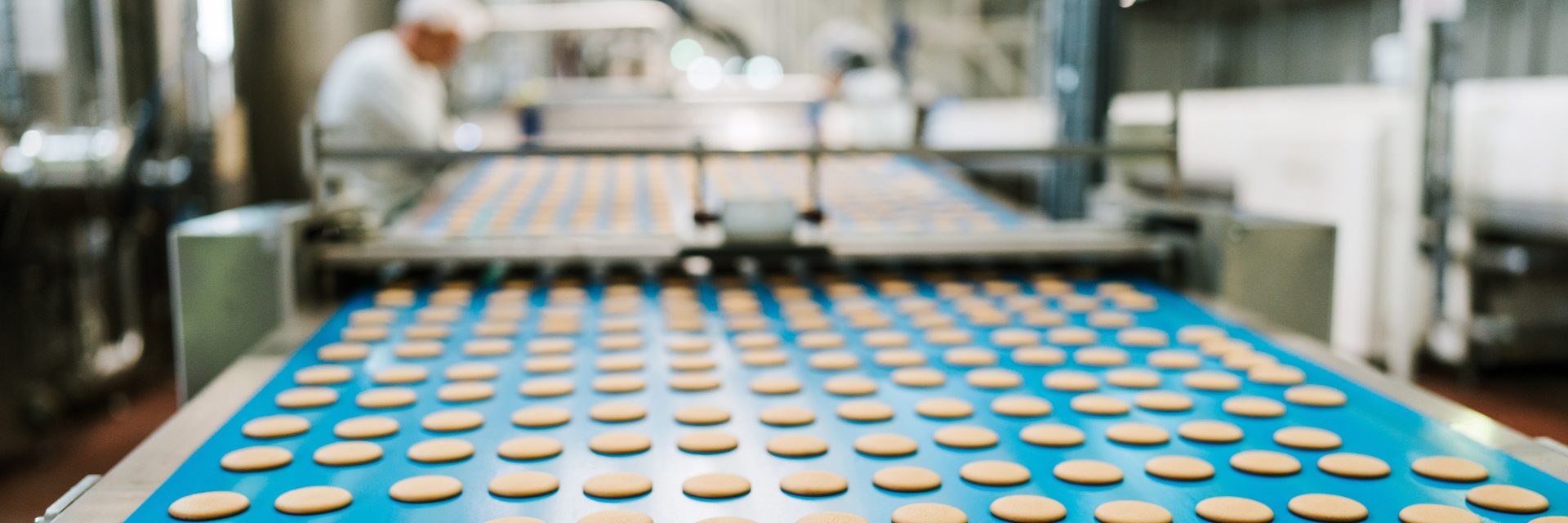
Where to find your food manufacturing efficiencies to save OpEx
Food manufacturers grappling with the impact of inflation can improve operational efficiency to achieve a substantial victory for both your budget and overall financial performance.
Read More
Improving ATMP manufacturing facilities’ function and operating experience with wayfinding
Wayfinding, a concept common in design, holds significant potential within manufacturing facilities. Incorporating wayfinding into ATMP spaces, designers can optimize layouts to meet production needs, comply with regulations, and enhance the overall flow.
Read More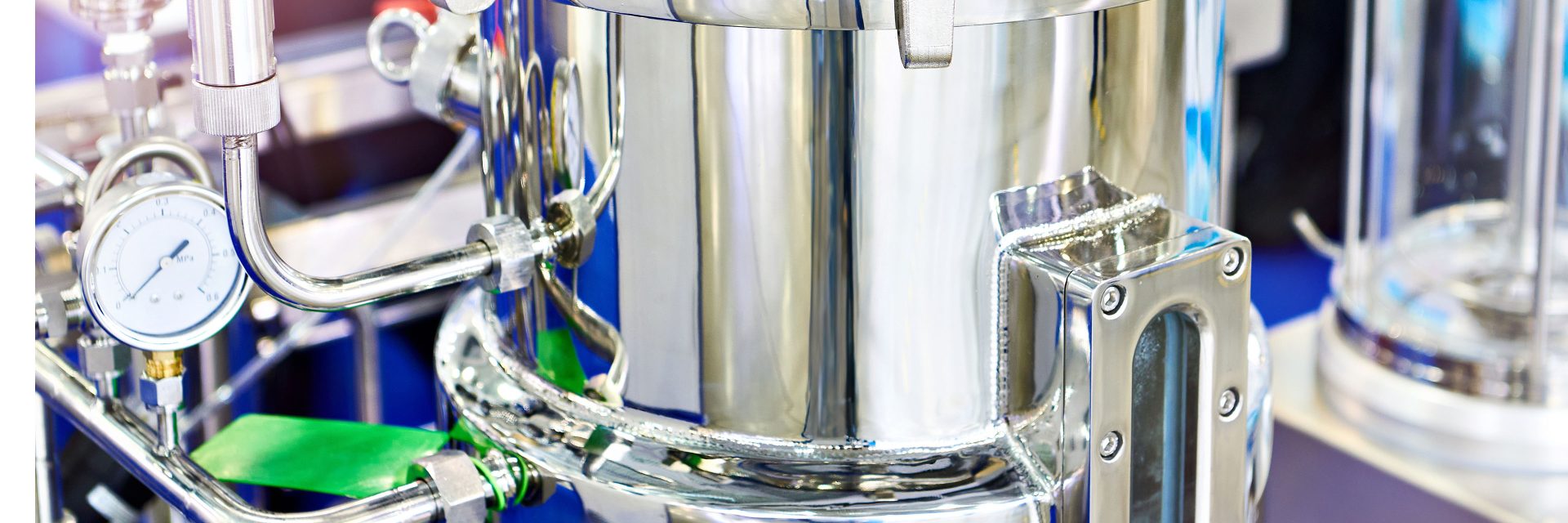
How to increase bioreactor efficiency and productivity
The opportunity: a more efficient bioreactor could increase your operation’s profitability From vaccine production in the biotech industry to alternative proteins, manufacturers face pressure to increase their bottom line by building more efficiency into their operations. What sets them apart, though, is a unique ace up their sleeve: bioreactors.
Read More