
Our latest Horizons: Alternative Proteins report reveals significant growth in the industry, with cultivated meat and fermentation-derived proteins producers making the most notable leaps. However, manufacturers are still facing obstacles around scale-up, sustainability, and regulatory approvals.
Read More Insight Categories

How steam conservation in food manufacturing facilities provides a win for the bottom line and the planet
Making your food manufacturing facility’s systems more efficient provides significant advantages—and this doesn’t require a large investment of time or money when you leverage steam conservation.
Read More
Select the best site for your cell and gene therapy facility in three steps
When you’re making the leap from a research lab to a CGMP manufacturing environment, choosing an appropriate site is foundational to your success—literally.
Read More
What is building energy modeling and is it worth it?
Take advantage of energy modeling during the design phase of a manufacturing facility to accelerate schedules and reap significant savings in both capital and operating expenses.
Read More
How the automation pyramid enables commercial-scale ATMP manufacturing
Use the automation pyramid as a roadmap to navigate the transition from lab-scale ATMP manufacturing to a cGMP facility that’s compliant, optimized, and future-ready.
Read More
The difference between aseptic processing and terminal sterilization
Both aseptic processing and terminal sterilization remove contamination from drug products, but the two methods are not the same, and they are not interchangeable.
Read More
The digital age of design, construction, and manufacturing
Digital delivery, digital twins, and industrialized construction are shaking up construction and manufacturing. Here’s what you need to know about how these innovative technologies are being applied to lower costs and speed up schedules.
Read More
Planning sustainable building designs with sustainability charrettes
Leveraging a sustainability charrette in early building sustainability planning maximizes the opportunities to conserve resources, enhance resiliency, and reduce operating costs while being mindful of the project’s overall timeline and budget.
Read More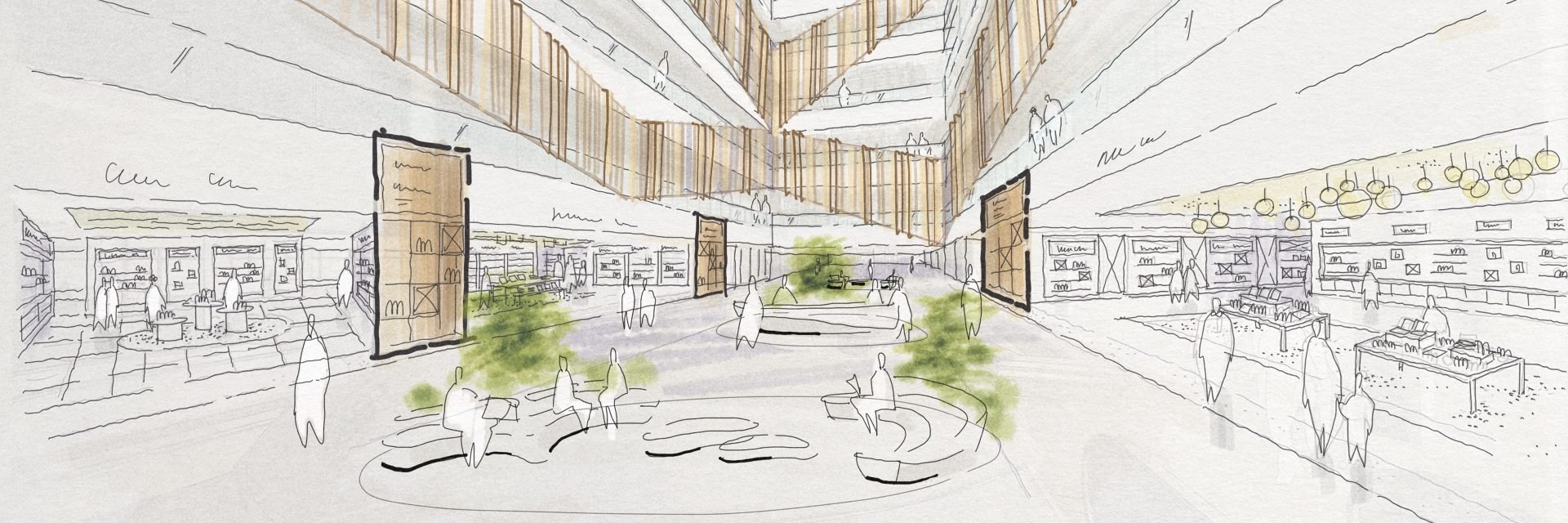
Interior design for life sciences environments
Where science, creativity, and business are seamless.
Read More
4 ways to reduce costs with Industry 4.0
For life sciences companies, Industry 4.0 offers a path to make manufacturing facilities more efficient.
Read More