Redefining resiliency and sustainability in cell therapy manufacturing
AstraZeneca’s Commercial Cell Therapy Facility represents a fundamental shift in how personalized, life saving therapies can be delivered without compromise. Designed to support autologous T cell therapies for upwards of 4,000 patients annually, the facility establishes a new benchmark for resiliency, sustainability, and patient centric cell therapy manufacturing. CRB partnered with AstraZeneca to deliver integrated architecture, engineering, and construction services, guiding the project from early planning through execution of a highly complex, mission critical facility.
Unlike traditional biopharmaceutical manufacturing, cell therapy allows no margin for error. Each batch is produced from a patient’s own cells, making downtime, power loss, or material loss unacceptable. From the outset, the project mandate was clear: 100% uptime. Working side by side with AstraZeneca, CRB’s design team helped develop a facility resiliency strategy informed by industries with zero tolerance for failure, including data centers, nuclear facilities, and refineries. This approach resulted in a multi layered infrastructure engineered to reduce the probability of total power loss to less than once in 10,000 years, ensuring uninterrupted patient access to critical therapies.
The team collaborated to embed this reliability into every system while maintaining operational efficiency and flexibility. Manufacturing suites were designed for failure independence, allowing rolling maintenance without shutting down the facility. Redundant utilities, automation, and monitoring systems were integrated to support continuous operations, regulatory compliance, and long term performance as therapies evolve.
In parallel, CRB helped AstraZeneca meet ambitious sustainability commitments. The fully electrified facility is designed to achieve net zero operational carbon, reduce energy and water use by 50 percent, and meet LEED Platinum standards. Advanced heat recovery systems, optimized air change rates, closed processing strategies, and intelligent building automation were engineered to balance extreme redundancy with high efficiency. The result demonstrates that patient protection and environmental stewardship can coexist—even in the most demanding manufacturing environments.
Additionally, CRB supported rigorous risk assessment, constructability planning, safety management, and execution throughout design and construction. Early collaboration and detailed planning helped manage density, sequencing, and complexity on the jobsite while maintaining a strong safety culture.
The facility encompasses three floors with several functional areas including:
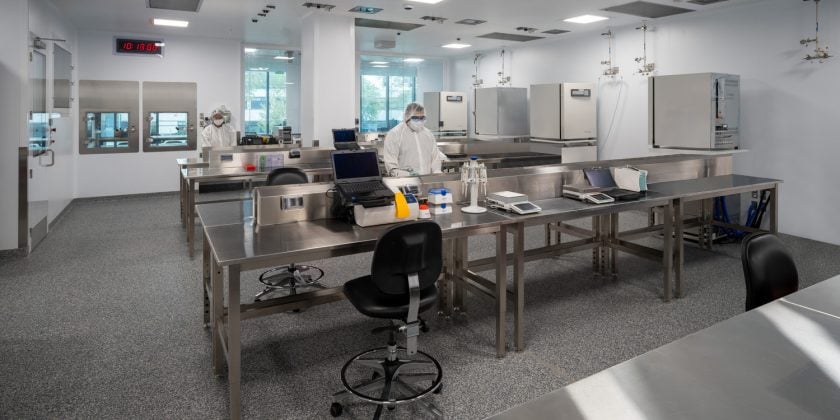
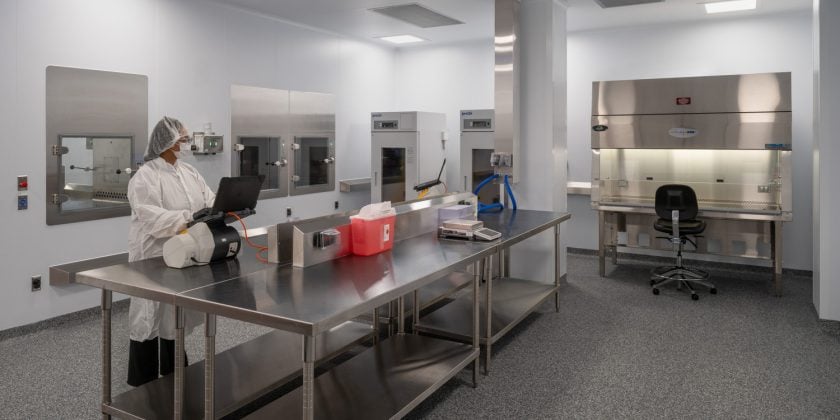
- GMP manufacturing suites designed for concurrent, multi-product autologous cell therapy production with suite-level isolation and rolling maintenance capability
- Roof penthouse with boilers, air handlers, air-source heat pumps, cooling towers, hot water tanks, exhaust fans
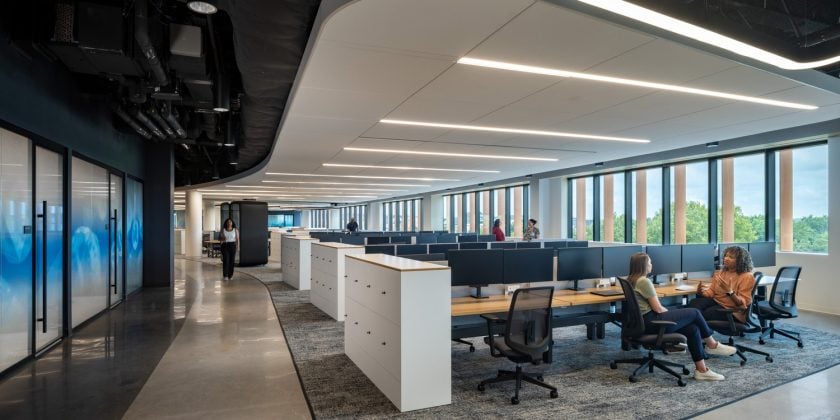
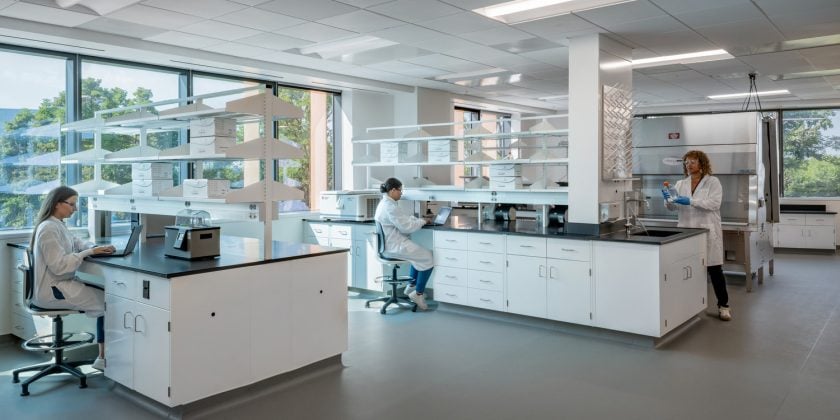
- Office space, IT and quality control labs
- Conference rooms and mechanical space that supports the clean rooms
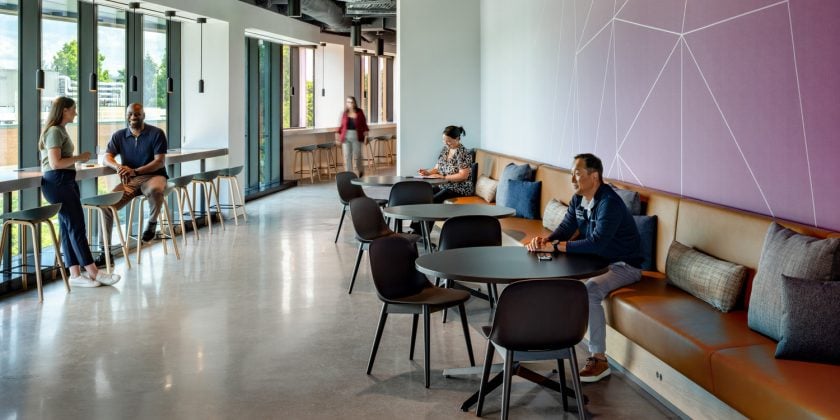
- The finished facility also reflects a commitment to people: incorporating flexible workspaces, wellness features, and inclusive design to support a highly specialized workforce.
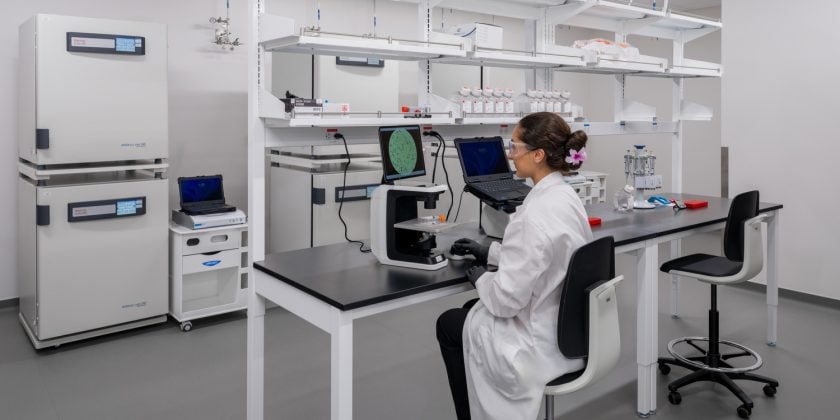
The facility has four cell processing suites—each with flexible workstations to handle multiple products, dedicated utility feeds, and isolated air handling systems.
The AstraZeneca commercial cell therapy facility exemplifies CRB’s integrated delivery model, aligning architecture, engineering, and construction to help our clients solve their most complex challenges while advancing the future of biomanufacturing.
This project was named a 2026 ISPE Facility of the Year Awards (FOYA) Category Winner for Social Impact – Unmet Medical Needs. To find out more about the award, click here.
Project Details
Client
AstraZeneca
Location
Rockville, MD
Square Footage
105,000