
Architects who envision and develop efficient and innovative life science facilities must specialize not only in the fundamentals of any architecture project—creating a building that is safe, sustainable and aesthetically pleasing—but also in the unique considerations and constraints inherent to an industry on which lives depend.
Read More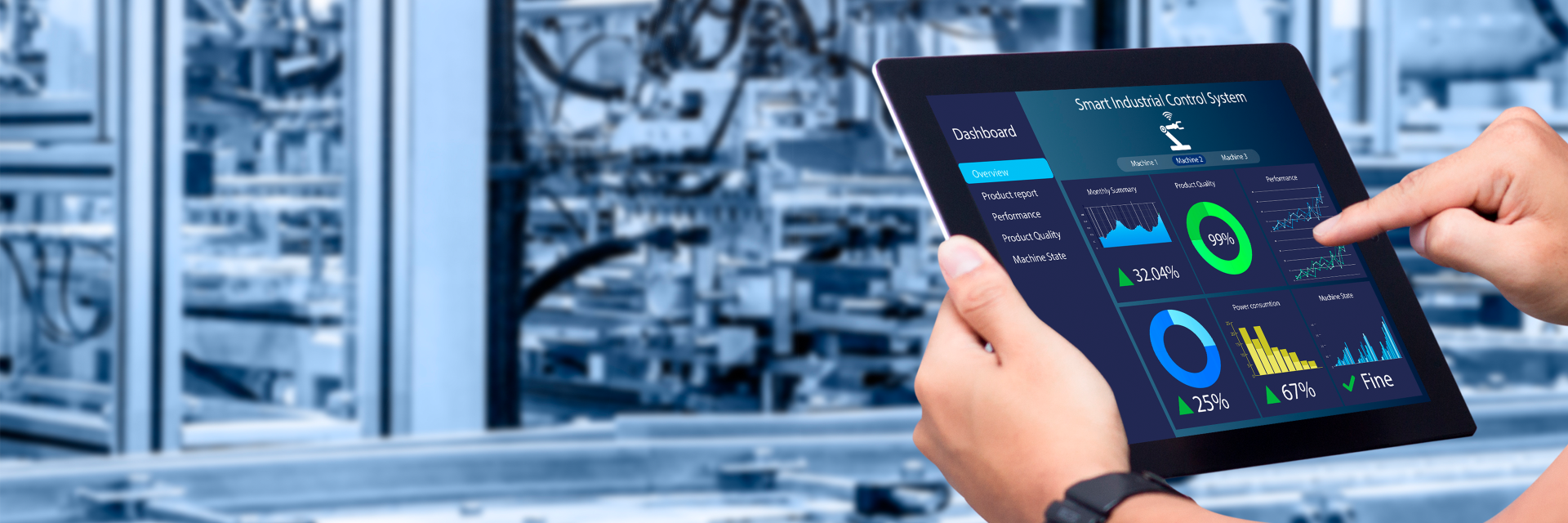
The control philosophy: what it is, how it works, and why every manufacturer should have one
A control philosophy defines your organization’s vision for digitalization and helps your team align current and future technology-related decisions with that vision.
Read More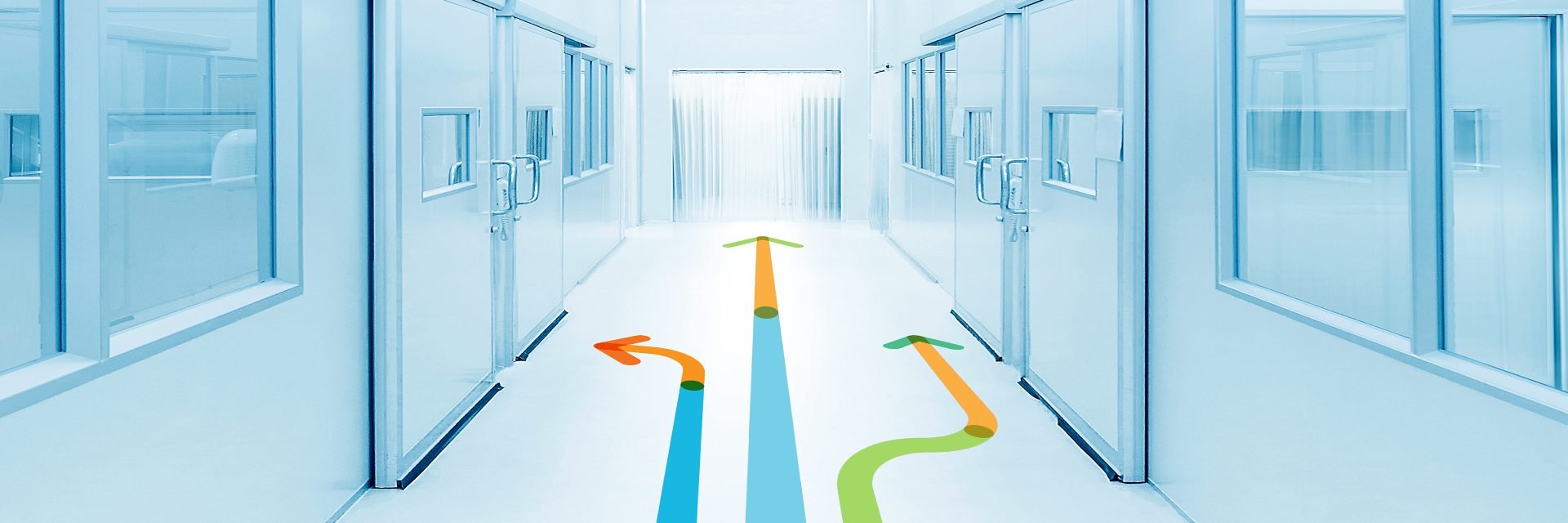
Improving ATMP manufacturing facilities’ function and operating experience with wayfinding
Wayfinding, a concept common in design, holds significant potential within manufacturing facilities. Incorporating wayfinding into ATMP spaces, designers can optimize layouts to meet production needs, comply with regulations, and enhance the overall flow.
Read More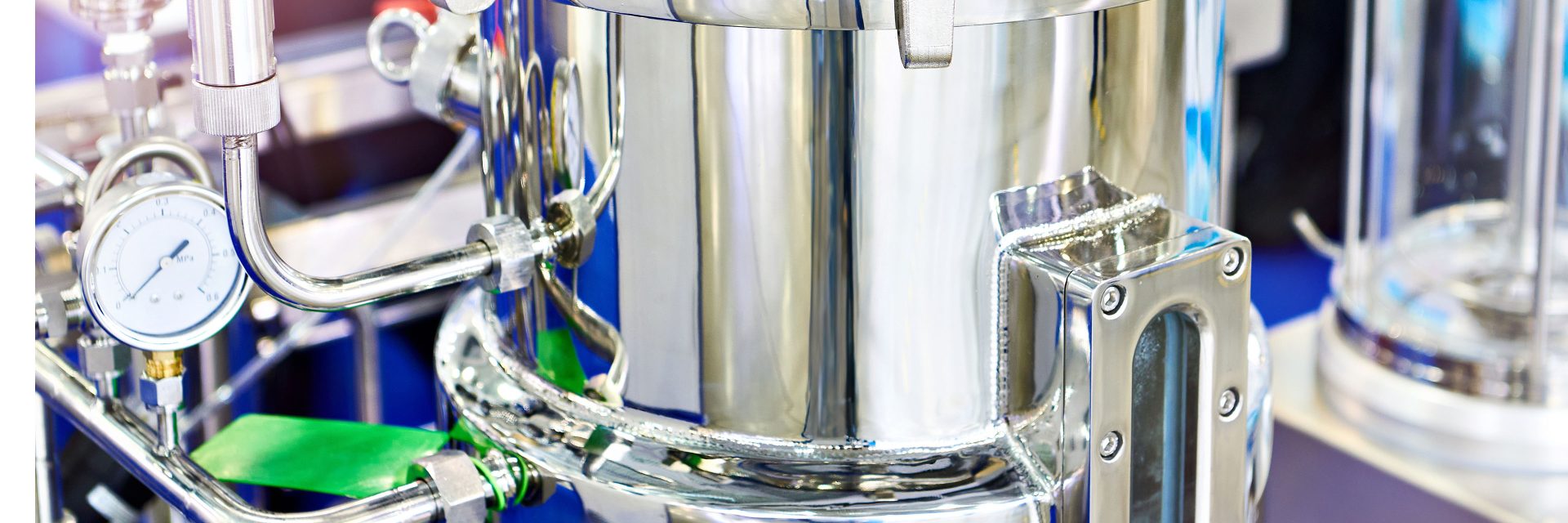
How to increase bioreactor efficiency and productivity
The opportunity: a more efficient bioreactor could increase your operation’s profitability From vaccine production in the biotech industry to alternative proteins, manufacturers face pressure to increase their bottom line by building more efficiency into their operations. What sets them apart, though, is a unique ace up their sleeve: bioreactors.
Read More
Select the best site for your cell and gene therapy facility in three steps
When you’re making the leap from a research lab to a CGMP manufacturing environment, choosing an appropriate site is foundational to your success—literally.
Read More
How the automation pyramid enables commercial-scale ATMP manufacturing
Use the automation pyramid as a roadmap to navigate the transition from lab-scale ATMP manufacturing to a cGMP facility that’s compliant, optimized, and future-ready.
Read More
The difference between aseptic processing and terminal sterilization
Both aseptic processing and terminal sterilization remove contamination from drug products, but the two methods are not the same, and they are not interchangeable.
Read More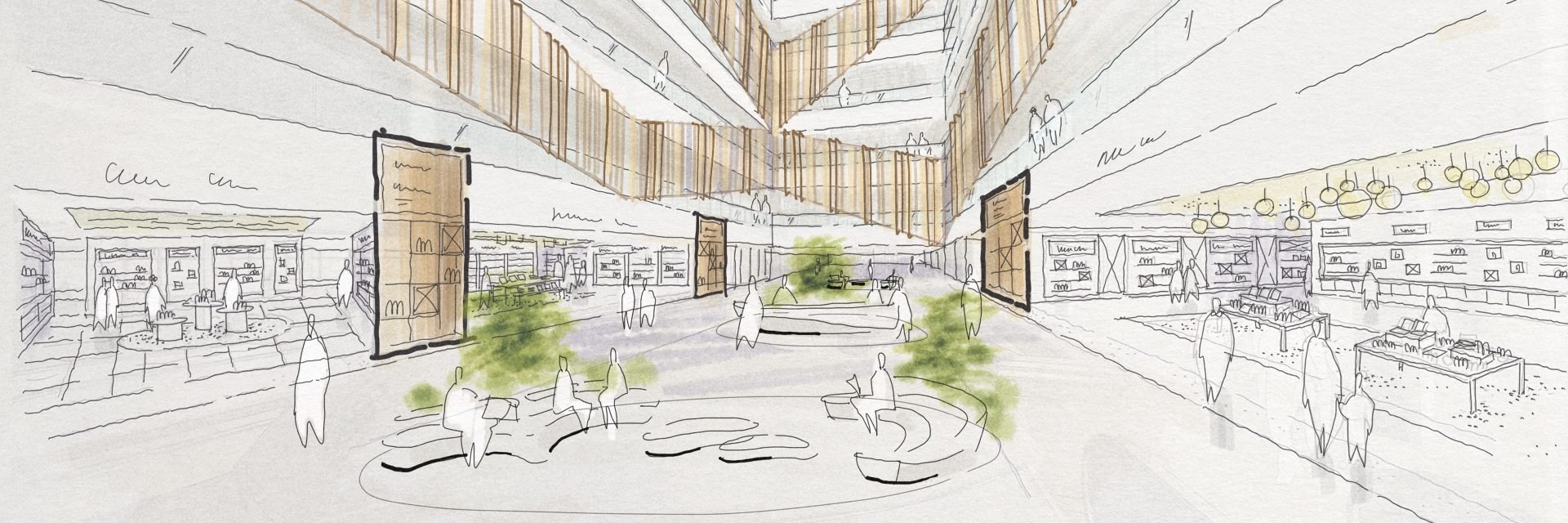
Interior design for life sciences environments
Where science, creativity, and business are seamless.
Read More
6 questions to ask before transitioning to commercial-scale ATMP manufacturing
To move advanced therapy medicinal products (ATMPs) from the lab to the commercial-scale manufacturing facility, you need a future-proof plan. These 6 questions will help you create one.
Read More
How to achieve a viral vector manufacturing facility at scale
For viral vectors to mature into a commercially successful submarket that’s accessible to patients, manufacturers need novel solutions and facilities designed for flexibility, scalability, and long-term innovation.
Read More