Return to top


Historically, companies in this industry have turned to other high-stakes considerations to guide their facility design decisions, such as cost control, regulatory compliance, and throughput efficiency. However, as competition for talent intensifies and younger generations enter the workforce with updated expectations of their employers, the stakes are changing and more companies are recognizing the need to provide inclusive, human-centric life science environments.
But how? There is no definitive answer to that question. This is a field of continuous change and improvement, shaped by life science companies at the forefront of the movement whose innovations and solutions are setting the standard for a more inclusive future.
In this article, we’ll look at five inclusive design principles that will help you be part of that future:
- Design neuro-inclusive offices, labs, manufacturing spaces, and warehouses.
- Prioritize gender neutrality in locker and gowning areas.
- Ensure all spaces are accessible for all bodies.
- Design with employee health and wellness in mind.
- Embrace integrated design principles.

1. Design neuro-inclusive offices, labs, manufacturing spaces and warehouses
Life science facilities can be uniquely challenging environments for those who work in them. Open-plan offices can make focused work difficult. Noisy labs or warehouses can fray the nerves. Cold, all-white GMP spaces can disorient operators and lead to mix-ups.
All employees may feel the negative effects of working in environments like these, but workers with neurodivergence are especially vulnerable. Fortunately, the solution isn’t revolutionary. By simply applying the principles of good life science facility design, with early consideration for the needs of all neuro types, project teams can deliver a facility where every area feels comfortable for every worker.
Space allocation
In an effort to maximize efficiency, many life science companies over-densify their square footage. This can lead some people to feel both confined by their physical environment and over-exposed to those around them, making it difficult to maintain focus.
Prioritize islands over peninsulas
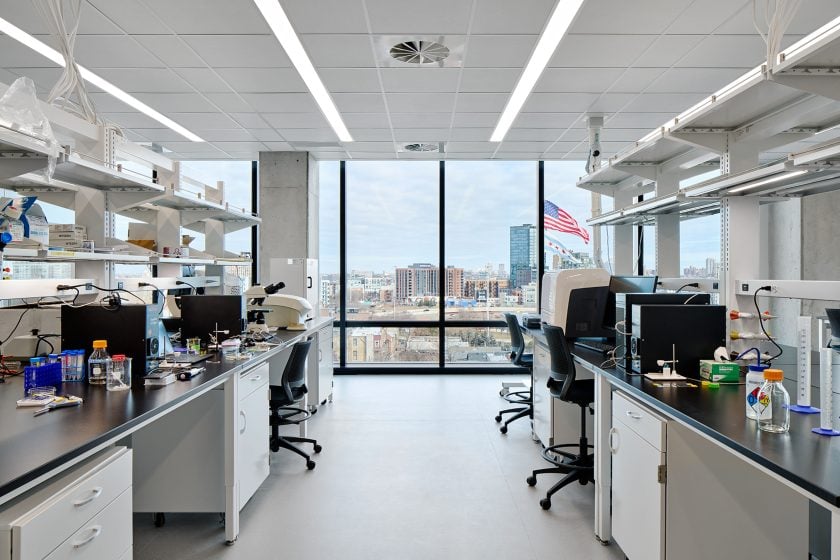
When it comes to the layout of lab and office modules, prioritize islands over peninsulas. Rather than “dead-ending” a lab or office module against a wall, leave a gap on either side. This will offer workers multiple pathways through the workspace rather than just one, which can reduce claustrophobia, increase efficiency, and accommodate different styles or work. This approach may even keep workers safe in the event of a hazard by providing several avenues of escape.
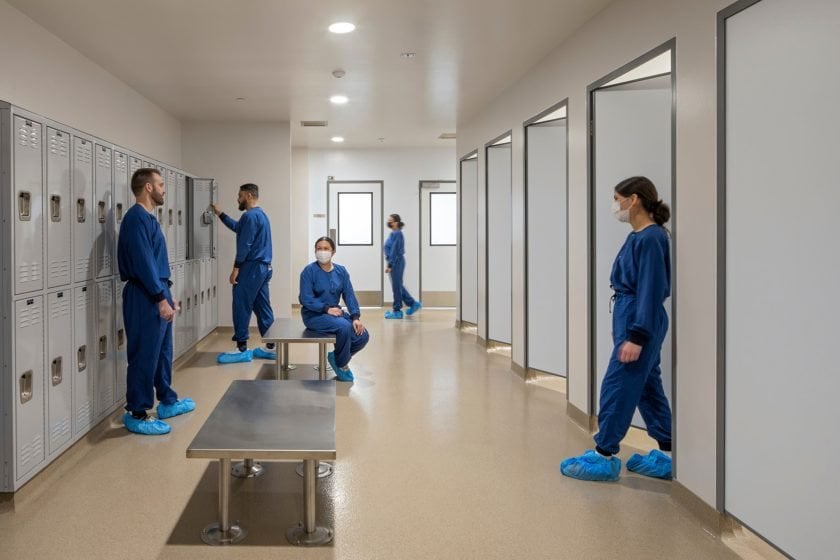
The same principle applies in locker rooms, where the person with the “last corner locker” may feel trapped and uncomfortable. Instead, provide access to the locker room from both ends, thereby locating every locker along a primary circulation path.
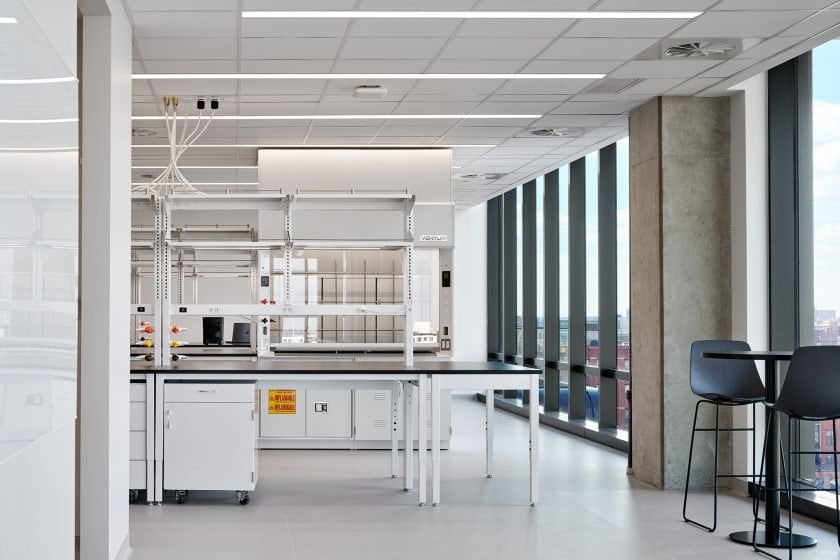
Plan for lab modules with a centreline of at least 11’
Any smaller and you force workers into close proximity with each other, which many people find uncomfortable, frustrating and inefficient. Larger benches, especially with a clear space between them, address many of these issues. There’s a practical consideration here, too: fume hoods aren’t likely to fit modules smaller than 11’.
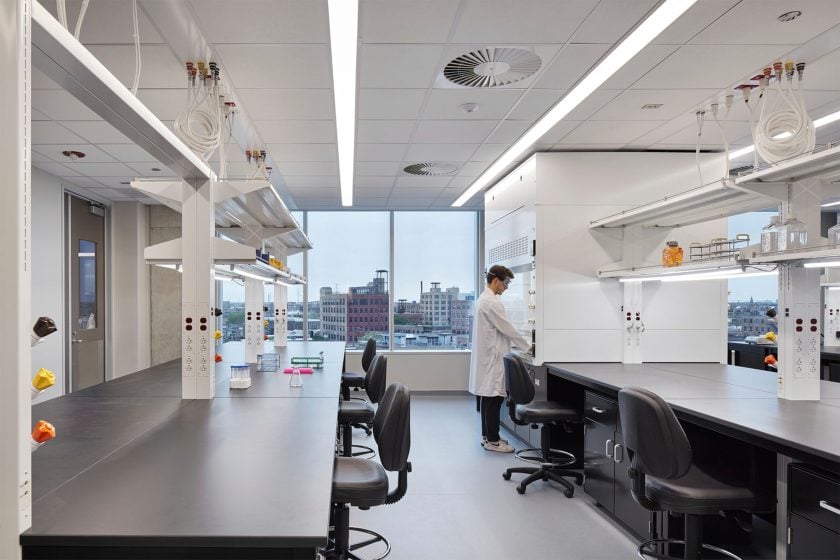
Provide a variety of environments to accommodate different styles of work
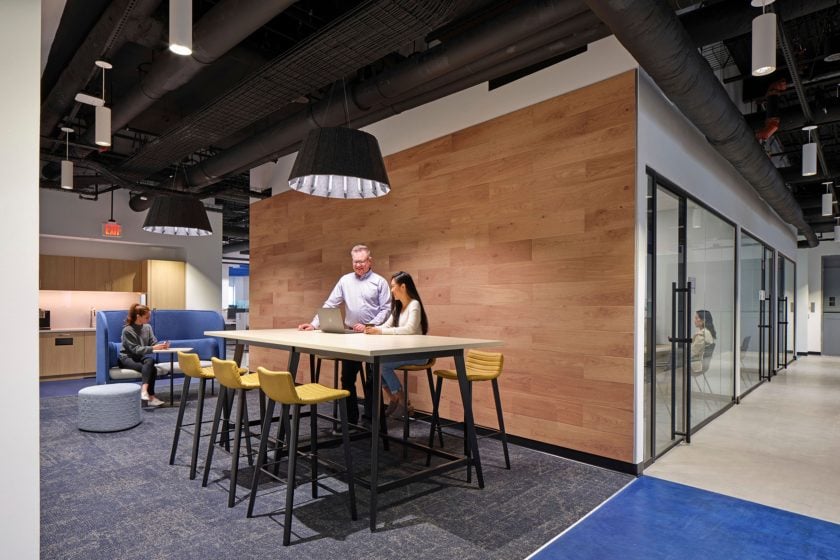
Some people thrive in an open-plan office or lab, while others find it difficult to concentrate or collaborate without access to enclosed, private workspaces.
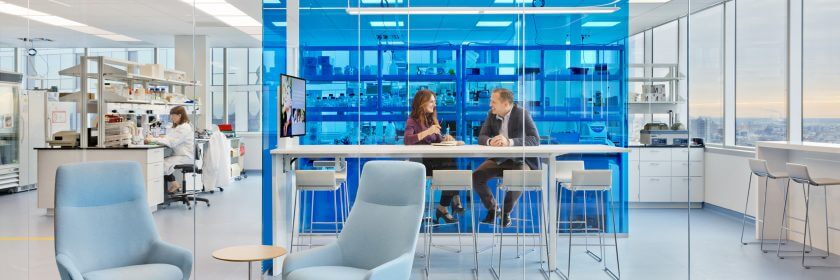
By designing an office ecosystem that includes a variety of environments, from communal spaces to private work pods, life science companies give employees control over where–and how–they work.
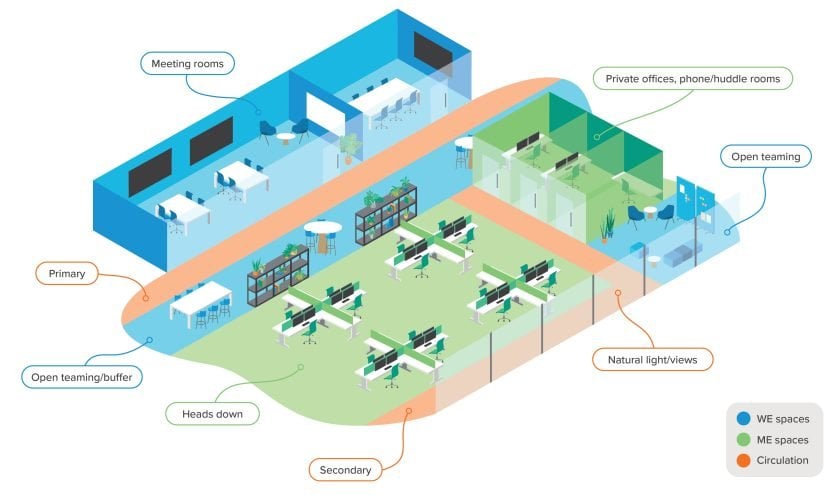
The key is variety. Give people control over how much stimulation surrounds them by providing diverse workstation types including community tables, work pods, and lounge areas equipped with functional laptop tables and other work-ready, ergonomic furniture. Unassigned seating can be beneficial, allowing people to choose the right environment for them, at the right time. Since assigned seating is often a must, consider dedicating at least 10% of square footage to these alternate free-access environments.
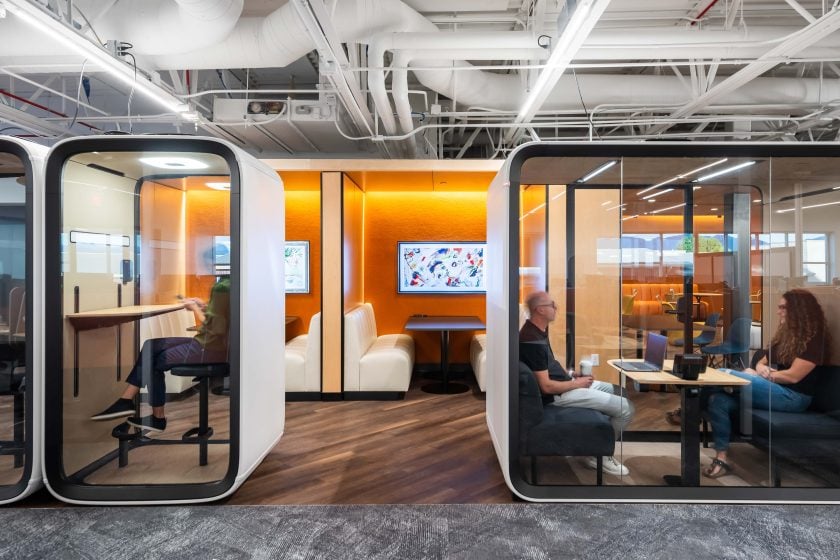
The same principle applies for meeting spaces, where the breakthrough innovations that change patients’ lives often begin. In order to do their best work together, making that level of innovation possible, people need variety and choice from these environments. Some teams will prefer lounge areas for group discussions, while others will seek out more conventional boardroom-style meeting rooms.
Locker rooms are also an opportunity to rethink the type and variety of spaces provided for employees. Lounge-style huddle areas inside the locker room provide shift workers with an opportunity for respite before entering or after leaving the GMP setting, for example.
In the warehouse, be sure to provide focused office areas away from the noise and traffic of the warehouse.
Exposure/visibility
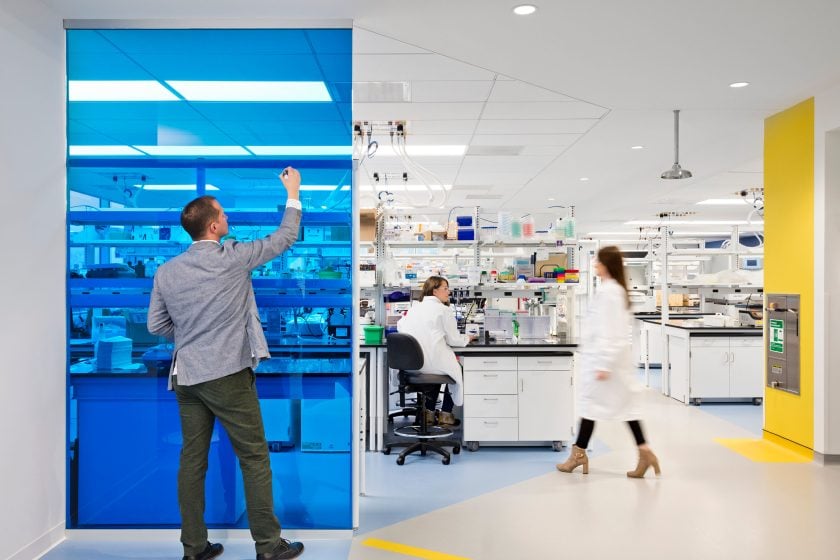
The popular notion of putting science on display by replacing walls with floor-to-ceiling glass panels can be problematic—particularly from the perspective of those who find that degree of exposure uncomfortable and distracting.
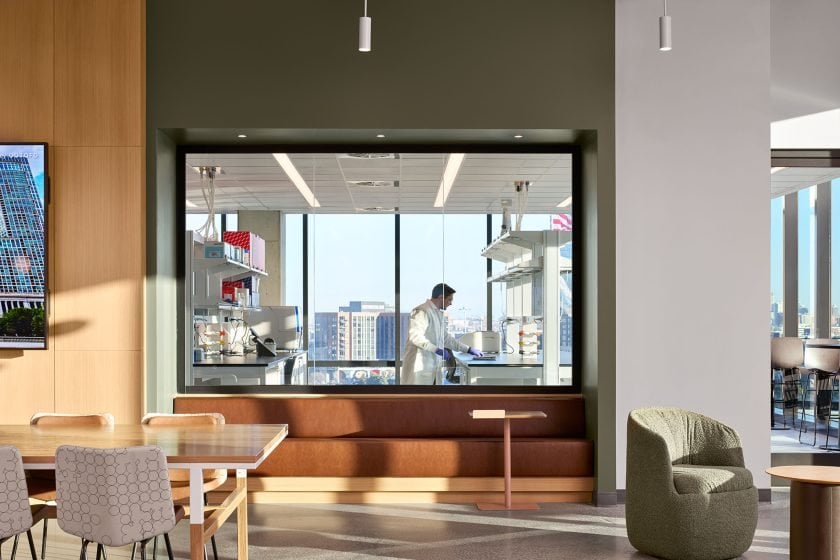
Use framed openings instead of glass walls
By thoughtfully integrating interior windows, companies can provide a curated view into labs and GMP spaces while limiting the “fishbowl effect” for those working inside.
Design functional areas that maximize discretion
When forced to work with their back exposed to passersby, many people feel vulnerable and under scrutiny. Consider this when thinking through the placement of workstations in relation to circulation pathways and other populated areas.
By limiting sightlines to specially curated viewing areas, life science companies can let outside viewers “see the science” while respecting the needs of those inside the lab.
Acoustics
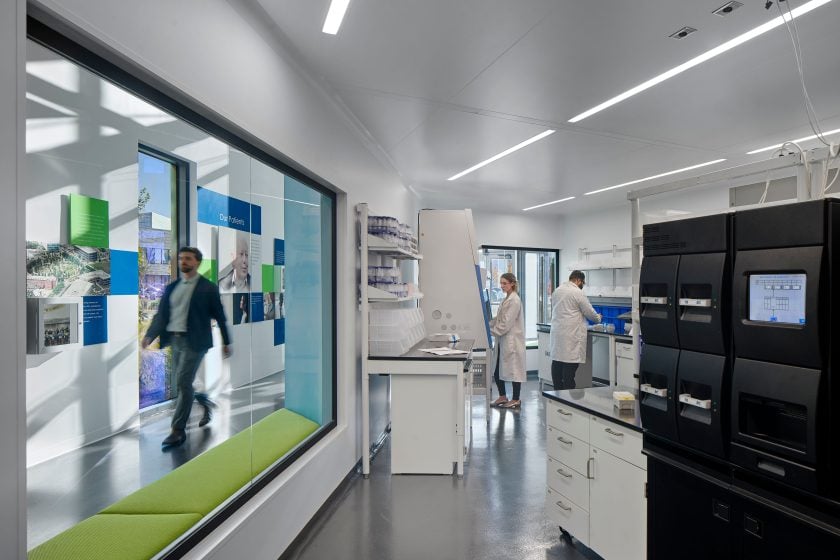
Centrifuges, fume hoods, vibration platforms—inside a lab, just about every piece of equipment generates sound, which may greatly impact the comfort and concentration of many workers. Open offices characterized by ringing phones, chatting colleagues, and constant foot traffic provide little relief.
Consider acoustics when designing ceilings, walls and flooring
In the lab, that means installing cleanroom-grade acoustic ceiling tiles with a noise reduction coefficient of 0.95. On the lab floor, choose rubber flooring if possible, which provides up to 20 decibels in sound reduction. It’s also softer underfoot, reducing the need for anti-fatigue mats and improving overall ergonomics. Vinyl flooring is also a good solution, though it doesn’t offer the same degree of ergonomic or acoustical benefit. Not all labs will have these options; very wet labs or labs that require a daily washdown, for example, will require resinous flooring.
In life science offices, where people often move between individual workstations and collaborative meetings, managing sound levels is key. The WELL guidelines for acoustical comfort provide a good point of reference for both sound transmission and absorption. In open office spaces, implementing acoustical ceiling treatments and carpet is a good first step, but design teams should also consider the impacts of adjacent areas, such as hallways. Footsteps on a concrete floor, for example, could be disruptive to those working nearby.
Color
White is the predominant color in GMP manufacturing areas, perhaps because it appears to support sterility and cleanliness. But an all-white environment can cause confusion, disorientation, and compromised depth perception. The result is discomfort for some workers and an increased risk of errors and mixups.
Use accent colors to inform, inspire and improve safety
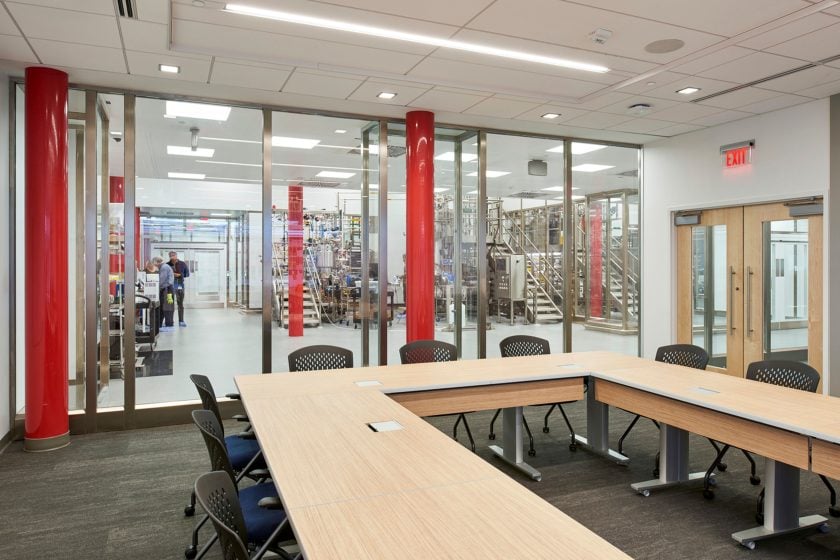
Manufacturing areas must be cleanable, but no regulation requires them to be all white. Color is a low-cost way to support people inside this area, helping them maintain mental clarity throughout a long shift.
This isn’t just about aesthetics, nor is it limited to GMP areas. Accent colors can provide workers with important visual cues which enhance wayfinding throughout the life science facility, ultimately reducing the potential for mix-ups or helping workers quickly find safety features such as eyewash stations.
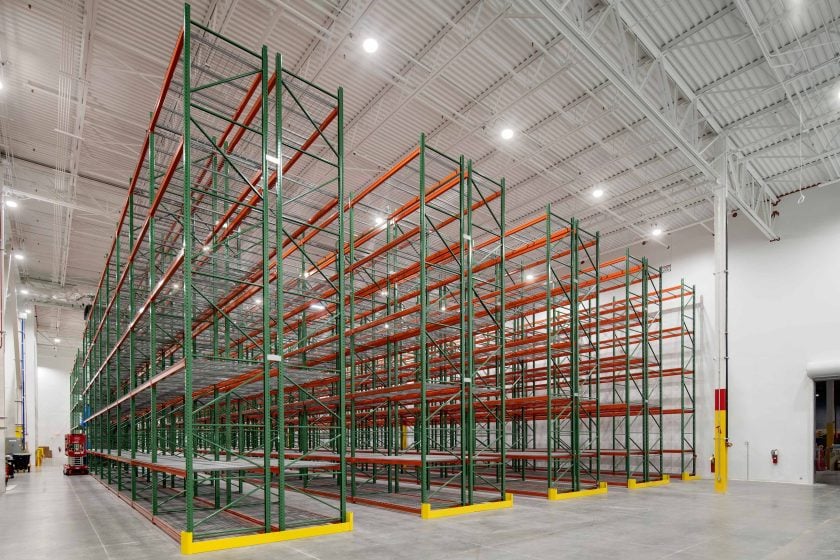
In the warehouse, color can help to differentiate important elements and functions such as fire sprinklers (painted red, for example) or safety components (yellow). Warehouse design teams can also use color to enhance wayfinding and provide visual variety in what might otherwise be a gray, repetitive environment of racks and columns.

2. Prioritize gender neutrality in locker rooms and gowning areas
An increasing number of life science companies are pushing for environments in which every worker enjoys the same level of inclusion, accessibility, and safety. Gender-neutral bathrooms, now a familiar sight in many life science facilities, are a good example of this progression toward inclusivity. The next step: gender-neutral locker rooms and gowning areas.
Safety
To get there, design teams need to think far beyond simply changing a sign on the door. For people of all genders to feel safe and comfortable in a shared environment like this, companies need design solutions that enhance passive security and psychological safety, provide appropriate levels of privacy, and help generate a shared sense of connectivity and purpose.
Emphasize passive security and psychological safety through long sightlines
With good architectural planning, companies can enhance workers’ sense of safety inside the gender-neutral locker rooms and gowning areas without the need for active supervision or enforcement.

Control sightlines to accommodate public, semi-private and private zones
Someone entering the locker room should have a full line of sight across the public touch-down area, reassuring them that they aren’t vulnerable to surprise encounters or inappropriate behavior. A well-designed system of occupancy lights, sensors and privacy louvers is also key, giving people a sense of security and spatial awareness while maintaining an appropriate level of privacy as they move through different zones.
Once they step into a changing room, they should be enclosed by full-height partitions and a locked door, giving them total privacy while gowning. A semi-private area with restricted sightlines should surround the changing room, providing extra reassurance that even if the door were to open, only someone directly outside would have a view into the private space.
It’s important to note that creating a secured, non-visible area for gowning introduces safety risks. Addressing those risks may require additional spending on features such as coordinated internal occupancy sensors with external illuminated occupancy indicators, and exterior latch releases to allow access in case of an emergency.
Connection
Think of long sightlines not only as a safety tool, but as an opportunity to emphasize connectivity and shared purpose
The more visible the public zones of a gender-neutral gowning area, the safer it is—and the more connected people of all genders may feel to one another while using it.
Case study: Revolutionizing gowning and locker area with gender-neutral design
A multinational pharmaceutical manufacturer wanted to become the world leader of inclusive design for the life science industry. They aimed to develop robust global standards around gender-neutral locker rooms and gowning areas as one component of this complex mission.
The company’s inclusive design team began by conducting extensive studies of their existing facilities, focusing on all themes and areas that applied to this pursuit. They interviewed workers about the prospect of a single gowning area for all genders and learned that people feared a lack of privacy in bathrooms and changing stalls—a fear that was compounded by the idea of mixing all genders in a single shared space.
Passive security and psychological safety
The inclusive design team knew that controlled sightlines would be a key strategy in alleviating this fear. They wanted people to see and be seen across communal areas of the locker room, while providing secure and private areas for gowning.
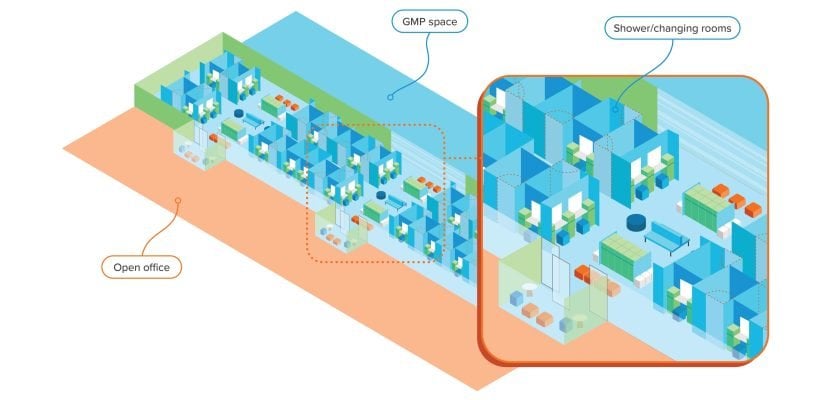
The idea to maximize those sightlines by allowing people in the open office to see directly into the public areas of the locker room emerged as part of this strategy.
Controlled sightlines to accommodate public, semi-private and private zones
In the design standards that capture this idea of radical visibility, the inclusive design team carefully controlled the transition from public to semi-private to private spaces. Sightlines from the office into the locker room are thoughtfully designed to eliminate the potential for accidental exposure. This helps strengthen the design’s potential for psychological safety while enhancing a sense of transparency and connectivity throughout the facility.
Transparency and connectivity
The glass wall design invites a greater sense of connection between the office and locker rooms, helping workers feel both safe and integrated in their community. It also allows for a greater sense of shared purpose, reminding workers that they are all part of the mission to produce vital drug products for patients.
The result: a new standard for inclusivity
Through these design standards, the company has ensured that their future life science facilities will welcome all workers into a safe and inclusive environment, regardless of their gender identity.

3. Ensure all spaces are accessible for all bodies
The standards laid out in the Americans with Disabilities Act (ADA) and the International Building Code (IBC) establish a minimum legal requirement for companies to follow, but focusing solely on compliance isn’t enough. This is especially true for life science companies, where collaboration is key. Whether they are in the office or the lab, employees of all body types need access to areas where they can work together comfortably.
Furniture
Offer equal access to high-quality furniture
Furniture that’s scaled for a range of body types should be readily accessible, not tucked away in a segregated area. All employees who require a task chair should have access to the same type, in a size that’s comfortable for them. Ancillary chairs should be sized to suit everyone.
Consider height requirements
In collaboration zones, make sure that shared surfaces such as community tables and pantry islands meet the ADA’s height requirements so that everyone can work around the same table. In areas where people work individually, such as desks or lab modules, give employees control by providing height-adjustable surfaces.
Ensure that all equipment (particularly tall equipment, such as biosafety cabinets mounted on stands) is accessible to employees of various heights and with different levels of mobility.
Facility layout/ergonomics
Plan circulation pathways that will accommodate people with wheelchairs or other mobility aids
Ensure universal access by designing wide corridors and door clearances into labs, GMP areas, offices and warehouses. Avoid dead-end aisles and ensure full circulation around lab modules and desks—a feature discussed earlier, as a benefit to individuals with neurodivergence.
Design all-hands spaces to accommodate all bodies
Life science facilities often feature an all-hands platform or town hall area, which is an important tool in building team cohesion, communicating important information, and reinforcing an overall sense of shared purpose. Ensure further accessibility by providing ramps so that all employees can access prime seating areas in and around the platform.
Optimize every functional area for good ergonomics
In the warehouse, for example, consider integrating automated technologies to relieve workers from physically taxing roles such as repeated lifting, twisting, bending or reaching.
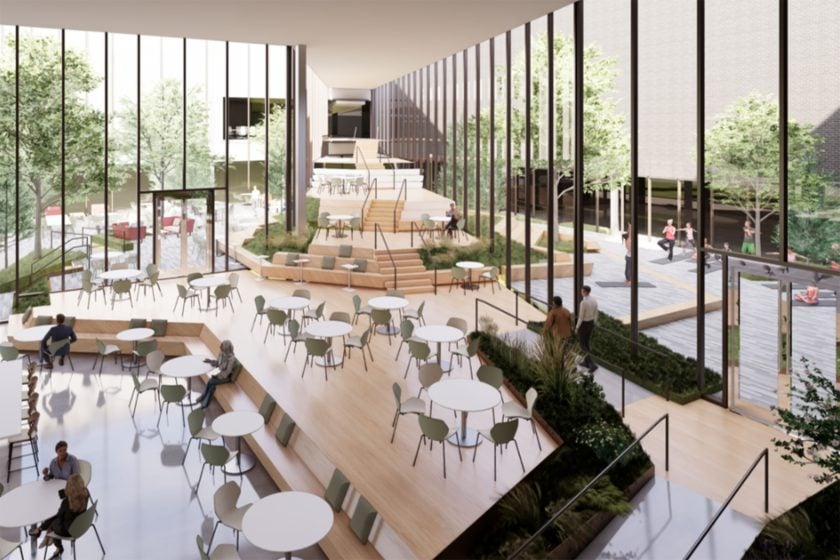
To ensure full accessibility, companies should include features such as wheelchair ramps in all-hands areas.

4. Design with employee health and wellness in mind
Designing a facility to support health and wellbeing contributes to the overall mission of making all spaces comfortable and welcoming for all people, which in turn can inspire innovation and other positive outcomes.
Clutter
Clutter can rapidly multiply in labs and office spaces, leading to elevated levels of stress and decreased productivity for many employees.
Include convenient, adequately sized storage areas in strategic locations.
In the lab, large, high-density storage areas can incentivize employees to store materials promptly and correctly, especially when coupled with a robust materials management protocol enforced by lab managers. In office areas, storage should be available at individual workstations and in communal zones. Stockrooms, waste areas, and other storage zones should be sufficiently sized and clearly marked throughout the facility.
Access to nature
In addition to clutter, a “sterile” workspace that’s designed without nature-based elements can further impact an employee’s sense of wellbeing.
Integrate biophilia into office spaces, where possible
Plant life and other organic features can reduce anxiety and foster a more productive environment. When organic materials are not an option, consider substituting living vegetation with preserved products like moss and natural wood with high-pressure laminates.
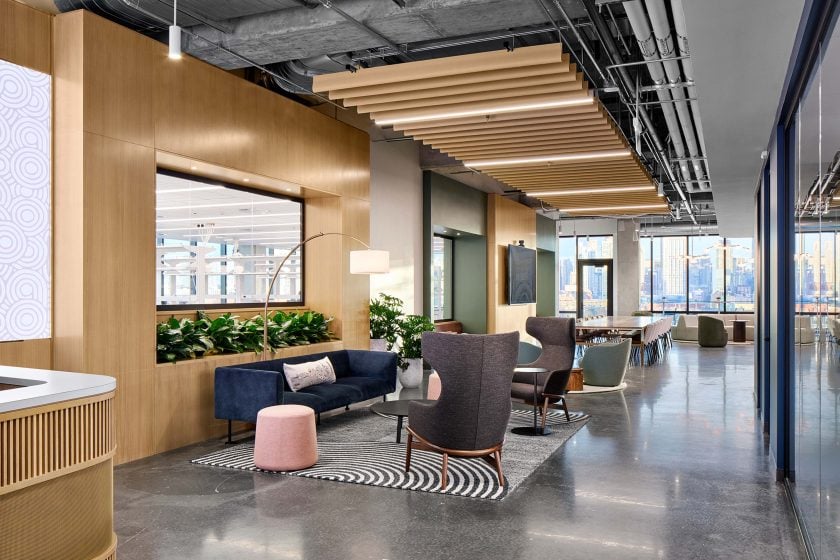
Where biophilia is not possible, focus on natural light and views
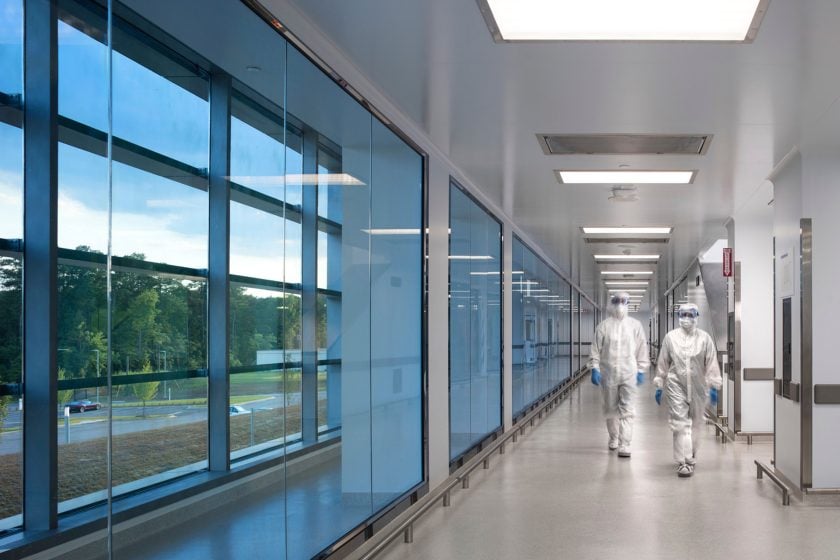
In labs and GMP areas, providing access to natural light and a view of the outdoors can help generate the same mood-boosting effects as biophilia. This principle also applies in the warehouse, where translucent paneled smoke vents provide a double benefit: access to natural light and ventilation in case of fire.
Restorative areas
In a large life science facility, it’s not unusual for some employees to walk significant distances over the course of a single shift. Others may have stationary jobs, which can tax the body in a different way through lack of movement.
Include spaces designed for rest and relaxation
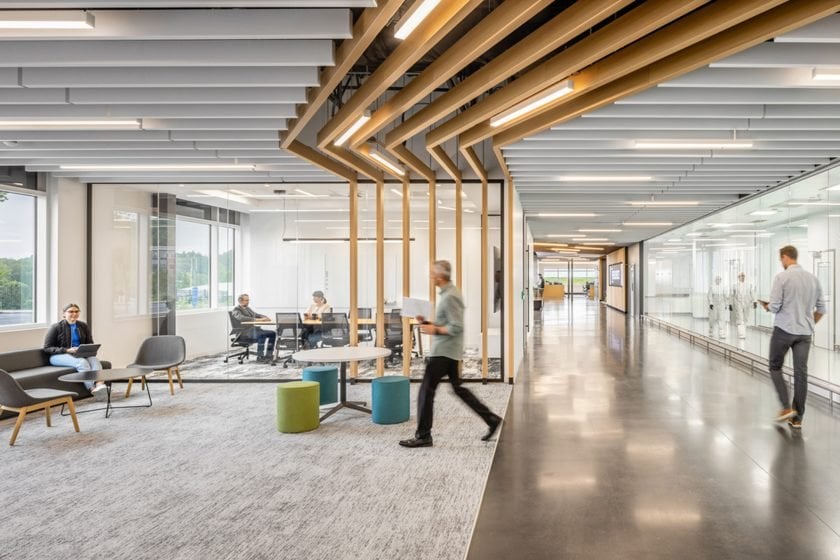
Recreational areas, wellness rooms with soft lighting and comfortable chairs, lounges located away from high-traffic areas—these types of spaces can help employees transition out of a busy overnight shift, blow off steam during a stressful day, or build meaningful relationships with colleagues. Incorporating outdoor views into these restorative spaces is a bonus. Direct access to the outdoors is even better.
To maximize the benefit of these spaces, be sure to make them equally accessible for all employees, whether they’re coming from the lab, the warehouse or elsewhere. The same is true for the facility’s main amenity spaces, which should be conveniently located for all, not just those in the primary office area.
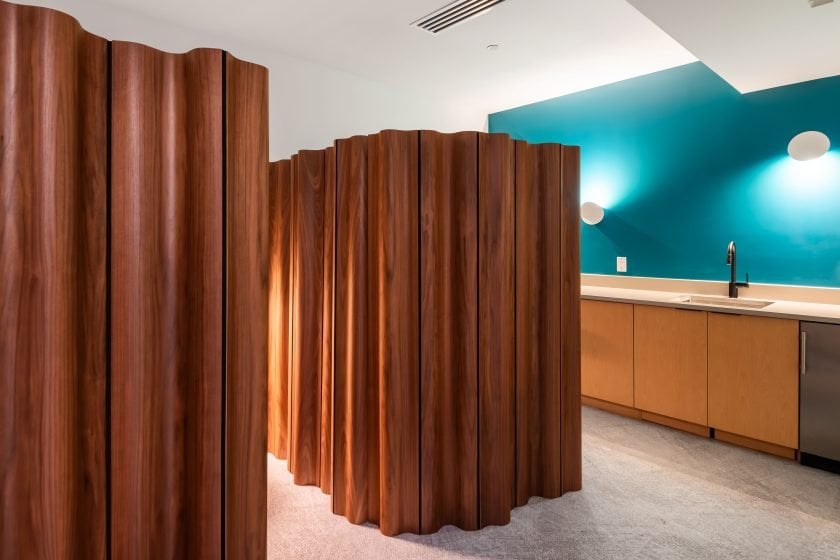
Encourage mobility
For those whose responsibilities don’t result in a high step count, design features which make regular movement easier and more enjoyable can go a long way toward maintaining good health. Walking paths outside of the facility are ideal. Inside the facility, consider features that promote mobility, such as aesthetically attractive stairs or circulation areas with compelling environmental graphics.
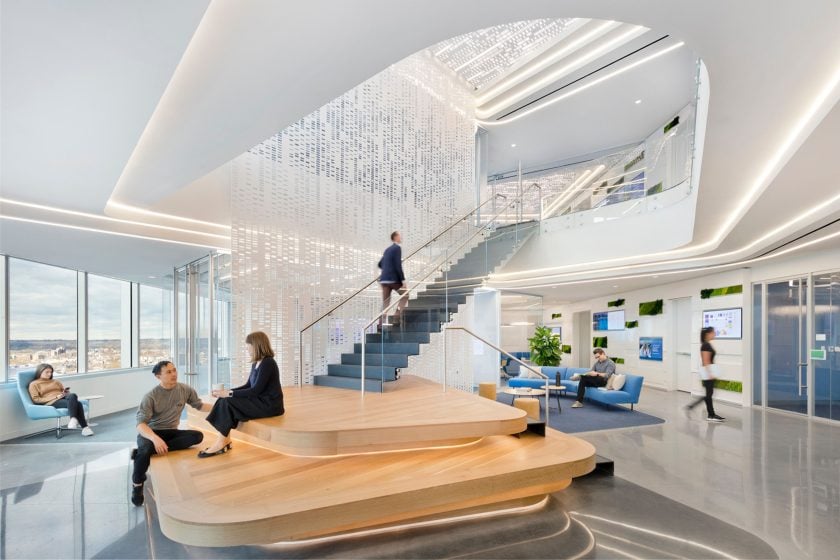

5. Embrace integrated design principles
In addition to helping individual employees develop a greater sense of inclusion, safety, and wellbeing, good design principles can also have a collective impact, helping whole workforces feel more cohesive, connected, and aligned behind a unifying purpose.
This is the role of integrated design. Applied thoughtfully and thoroughly from early in the design process, integrated design principles can help life science companies build a sense of continuity across their facilities, connecting employees in non-scientific roles such as HR or accounting to their colleagues in the lab and vice versa, as just one example.
Continuity
Prioritize cohesion, but reduce sameness
Cohesion is not synonymous with homogeneity. A facility can feel cohesive without looking the same from one area to another.
It has to do with how the design team balances variety with a harmonious design language, purposefully using ergonomics, visual continuity, materials, lighting, and signage to create unique spaces while uniting all functional areas of the facility. For example, consider the Colorado-based ATMP manufacturer who used color to unite different facility spaces while connecting their building with the unique geography surrounding it.
Even small details, such as unexpected rounded edges on meeting room tables or acoustic wall panels that feature brand-specific colors and shapes can help a facility full of very different functional areas feel like a single company with a shared mission.
The people
Celebrate the mission
Use environmental graphics to highlight employee or patient successes and reinforce the company’s common goals for the entire workforce. When sharing individual stories, be sure to celebrate the diversity of the workforce from the perspective of job function, gender identity and culture.
Welcome all people, from all backgrounds
Even small details can meaningfully reinforce a sense of belonging for every employee or facility visitor. For example, using pictograms and colors to assist with wayfinding demonstrates to international employees, who may not speak the dominant language, that their needs have been considered.
Choose an inclusive design team that walks the walk
As companies work with design partners to apply these principles for the benefit of all employees, there’s an often overlooked factor to consider: is the design team itself inclusive?
Working with a team that actively engages a diverse population of subject matter experts, representing a variety of perspectives and experiences, can help life science companies access impactful and innovative ideas that may otherwise never be heard. Collaborative visioning sessions that encourage a cross-pollination of employee points of view will further enhance your design team’s ability to deliver on the promise of true, ongoing inclusion for all.
The future of life science facility design is inclusive
The shift to inclusive design will benefit those who work inside life science facilities, offering them a welcoming and comfortable environment in which they’re able to do their best work, every day. For patients, that could mean faster access to innovative drug products that don’t yet exist—the ultimate benefit.
If you’re ready to incorporate inclusive principles into your new or existing facility, start a conversation with our inclusive-focused design team.